

We all know the best things in life are free, but do you know all the ways you can spend your time—not your money—in Jersey?
If you love delving into the past, our state has lots to explore, from Revolutionary War battlefields to remote cemeteries and Jersey-centric museums.
(Want more ideas? We’ve got plenty—whether you’re a culture vulture, an outdoor explorer, a panicked parent or a bargain hunter.)
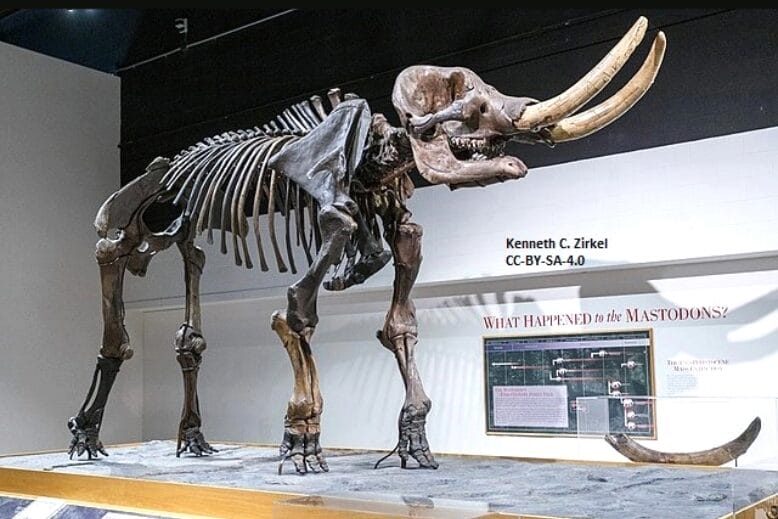
Rutgers Geology Museum
New Brunswick
As a kid, I was obsessed with digging up clues to the past and piecing them together—turns out, that works well in journalism, too. While at Rutgers, I discovered the Geology Museum (open to the public) through a class. Noticing kids also enjoying the artifacts made me wish my parents had known that college campuses could be playgrounds for curious minds of all ages. —Natalie Civadelic
Princeton Cemetery
Princeton
History lives in this park-like graveyard. Here, you’ll find the final resting place of President Grover Cleveland and his family. Nearby is novelist John O’Hara’s elegant tombstone and the towering monument to Paul Tulane, namesake of Tulane University. In the oldest part of the cemetery rest early university president Aaron Burr Sr. and his son, the infamous slayer of Alexander Hamilton. Other famous names to spot: Governor Brendan Byrne and murder victims Jose and Kitty Menendez. —Ken Schlager
Revolutionary War Sites
Morris County
New Jersey is home to more than 600 battlegrounds, skirmishes and graveyard sites from the Revolutionary War—more than any other state. George Washington set up headquarters in Morristown, which history buffs can still visit today; Morristown National Historic Park even has recreated soldier huts. And, as the United States celebrates its 250th anniversary this July, Morris County is hosting special events throughout spring and summer. —Julie Gordon & Thomas Neira
New Jersey State Museum
Trenton
A repository of more than 2 million items, the museum provides insight into science, culture, history and the arts. The fossil collection includes a life-size cast of New Jersey’s state dinosaur, Hadrosaurus foulkii. Other exhibitions focus on local history, Native-American traditions, and fine art as a reflection of social trends. —KS
Heritage Glass Museum
Glassboro

Photo: Courtesy of Heritage Glass Museum
More than 2,000 historic glass items, mostly created in South Jersey, are displayed here. For 150 years, Glassboro was among America’s most successful glassmaking centers. The museum’s oldest piece is the 1784 Heston Bottle, handblown in Glassboro. —Barbara Leap
Paulsdale
Mt. Laurel
Suffragist Alice Paul provided the final push for ratification of the 19th Amendment granting women the right to vote. The museum inside Paul’s circa-1800 childhood farmhouse, called Paulsdale, The Alice Paul Center for Gender Justice, honors the Quaker activist’s legacy. This National Historic Landmark offers free guided tours on periodic Family Saturdays. —BL
West Jersey Depot
Glassboro
It’s still 1863 inside this museum at the Glassboro historic train station. This National Historic Landmark displays train-history
information, the original sliding-door ticket window, a telegraph replica, and original photos, tickets, documents and passenger lists. It’s open for guided tours 1-4 pm on the fourth Saturday and Sunday of each month. —BL
Princeton University History Tour
Princeton
Chartered in 1746, Princeton is the fourth oldest college in the country, and the history of the campus is fascinating—so much so that tours aren’t just for prospective students. Free historical walking tours are available to the public via the university. —J. Mroz
Waterloo Village
Stanhope
History comes alive in this 19th-century town, which was the halfway point on the 102-mile trip along the Morris Canal. Kids can see how people lived back then, how a mill works, how boats unloaded their goods directly into the store built along the canal, and a pioneer farm and blacksmith shop. There’s a native woodland forest with exhibits, activities and miles of trails. —Julia Martin


